Release Confidence | Ongoing or sprint-based

QA Testing and Documentation

I provide practical QA support for websites and web apps that need clearer test coverage, better bug reporting, and more confidence before release.

QA testing and documentation example website preview by Hasnain Saeed

Service Snapshot

Ideal Fit

Web apps, e-commerce teams, and active product squads

Starting Investment

Quote based

Typical Timeline

Ongoing or sprint-based

Deliverables

QA report, Issue tracker updates, Release readiness checklist

QA support is usually scoped per sprint, release cycle, or ongoing workflow because the right price depends on the number of flows, devices, and reporting depth involved.

What QA testing and documentation actually covers

QA testing and documentation is about reducing release risk before users find the problems first. That includes mapping the important journeys, running structured checks across the right devices and browsers, logging issues clearly, and retesting fixes instead of assuming they are resolved. On many projects, the real value is not just bug discovery. It is giving the team a cleaner way to prioritize what is blocking launch readiness and what is safe to ship.

Projects that benefit most from structured QA

This service fits active product teams, ecommerce businesses, agencies, and launch-stage websites that cannot afford unclear bug reporting or rushed testing. It is especially useful when internal QA is inconsistent, the project is near release, or several contributors are making changes at once and the team needs a tighter validation pass. Clear QA becomes even more valuable when the site has forms, carts, dynamic content, or multi-step user journeys.

How a QA engagement typically runs

The engagement normally starts by identifying the flows that actually matter most, such as lead capture, product browsing, cart behavior, checkout, booking, or onboarding. I then test those flows with structured coverage, log issues with reproducible detail, and group them by severity so the team can make decisions faster. Once fixes are shipped, the retest step confirms whether the real problem is gone and whether any adjacent regressions were introduced.

What structured QA documentation delivers

Clients usually expect stronger release confidence, clearer issue tracking, and less ambiguity about what is still blocking launch. They also get better visibility into how the product behaves for actual users instead of only relying on assumptions from staging review. When QA is handled well, the whole delivery process becomes calmer because the fix loop gets shorter and the risks are easier to see before they reach production.

Problems solved by QA testing and documentation

  • - Releases are shipping with preventable issues because testing is inconsistent or rushed
  • - Teams need bugs documented clearly so fixes are faster and less ambiguous

What's included in QA testing and documentation

  • - Test scenario mapping
  • - Functional testing
  • - Bug logging with severity
  • - Retest validation

Deliverables and outcomes from QA testing and documentation

Deliverables

  • - QA report
  • - Issue tracker updates
  • - Release readiness checklist

Likely outcomes

  • - A clearer view of blocking bugs and release risk
  • - More actionable bug reports and retest validation

How QA testing and documentation projects usually run

  1. Step 1

    Map the priority flows and devices that need coverage

  2. Step 2

    Run structured testing and document issues clearly

  3. Step 3

    Retest fixes and summarize release readiness

Optional add-ons: Regression suites, Release support

Related Proof

Relevant case studies for QA testing and documentation

View Portfolio →
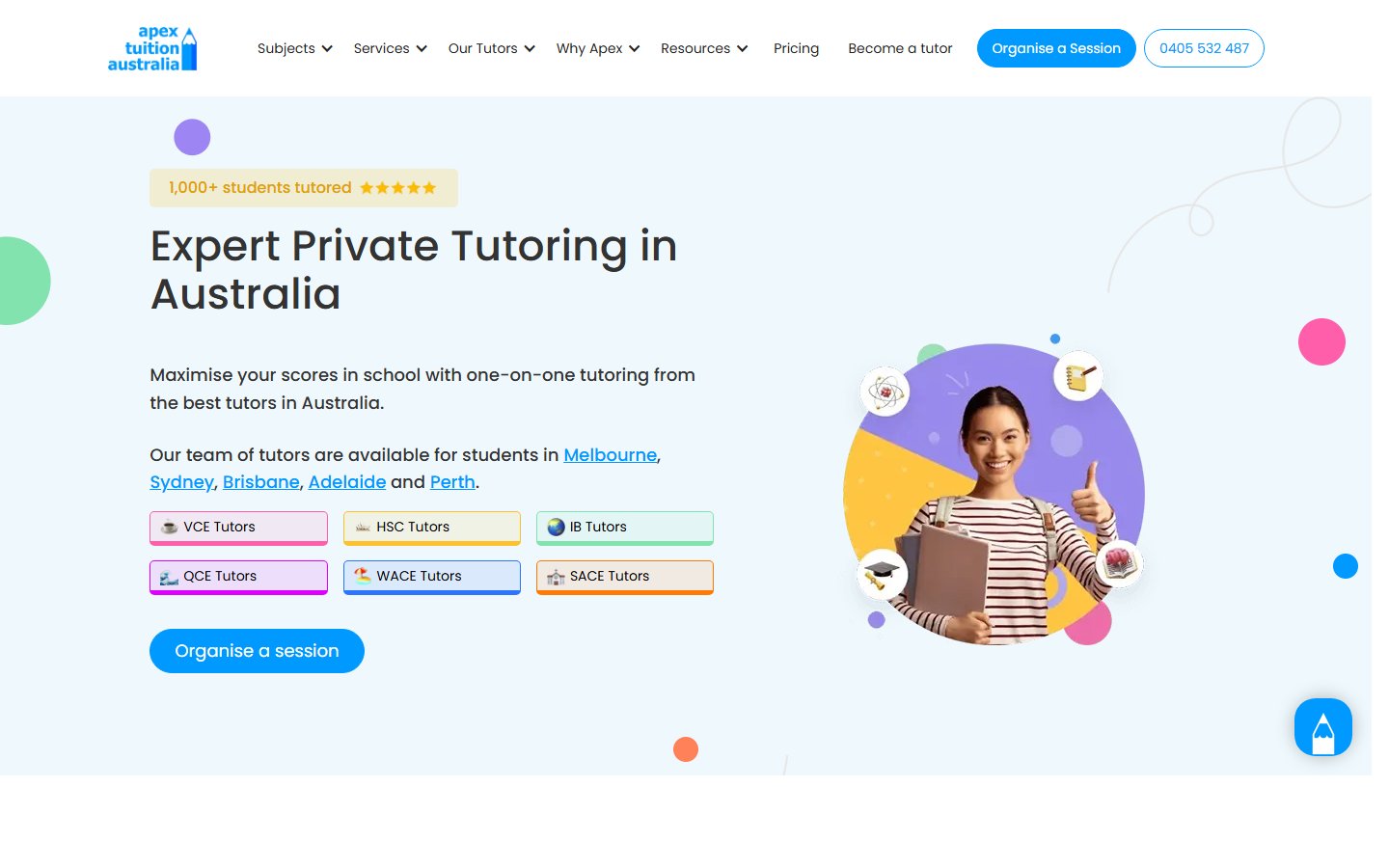
Webflow website case study for Apex Tuition Australia Private Tutoring Website
Webflow
1,000+ students tutored
Webflow|Webflow|2026

Apex Tuition Australia Private Tutoring Website

Built a high-clarity tutoring site that combines subject discovery, pricing transparency, FAQ support, and tutor recruitment for students across Australia.

View Case Study →

Webflow website case study for Pixeltrue Unlimited Design Subscription Website
Webflow
24-48 hour design flow
Webflow|Webflow|2026

Pixeltrue Unlimited Design Subscription Website

Built a Webflow subscription-design site that combines product storytelling, transparent pricing, platform education, and a work gallery for high-intent business leads.

View Case Study →
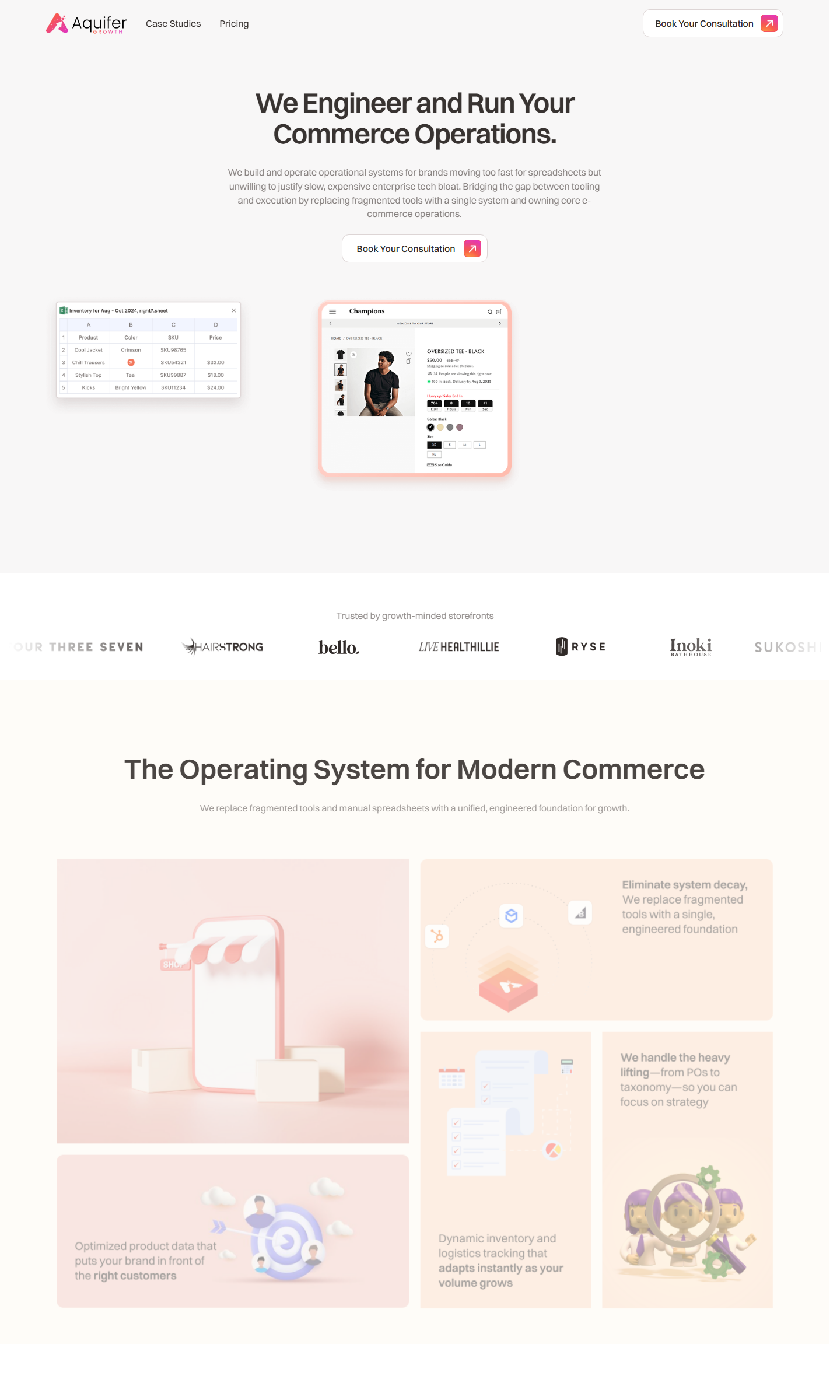
Webflow website case study for Aquifer Growth Commerce Operations and Discoverability Website
Webflow
42x ROI case studies
Webflow|Webflow|2026

Aquifer Growth Commerce Operations and Discoverability Website

Built a Webflow operations site that explains catalog automation, managed commerce workflows, pricing tiers, case studies, and consultation booking for ecommerce teams.

View Case Study →

Support Content

Guides related to QA testing and documentation

Browse Blog →
QA Checklist Before Any Website Launch
QA
QA8 min read

QA Checklist Before Any Website Launch

A site that looks done in staging can still carry enough problems to damage trust the moment real users arrive. The goal of a QA checklist is not to slow launch down — it is to make sure the things that actually matter to leads and customers are working correctly when they get there.

October 31, 2025

Read Guide →
Website Maintenance Priorities That Prevent Broken UX
Optimization
Optimization6 min read

Website Maintenance Priorities That Prevent Broken UX

A broken contact form. A plugin update that quietly shifted the layout. A slow service page that was not slow last month. Website issues rarely announce themselves — they accumulate. This covers how to prioritize what actually needs attention before it starts costing you leads.

February 27, 2026

Read Guide →

FAQ about QA testing and documentation

No. I often join projects specifically to test and document issues before launch or during active delivery.